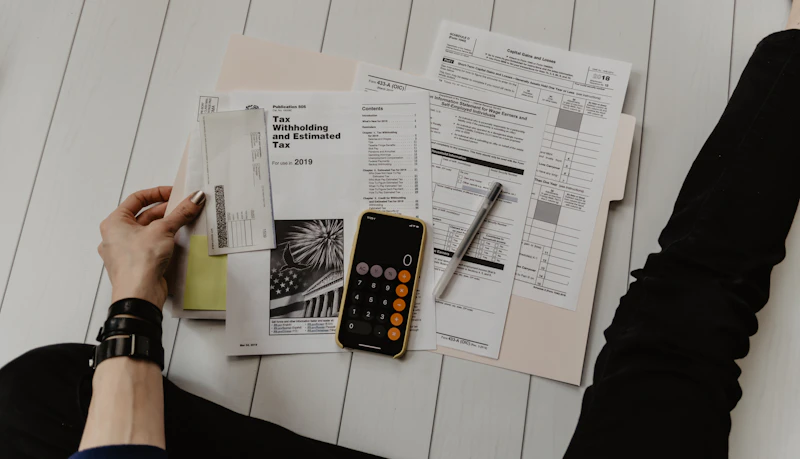
Debt consolidation loans get talked about a lot, especially when people feel overwhelmed by multiple credit card balances and monthly payments. In the right situation, they can absolutely help simplify finances. But they're not magic, and they work best when paired with better financial habits moving forward.
The idea behind debt consolidation is pretty simple. Instead of juggling several debts with different interest rates and due dates, you combine them into one personal loan with a single payment each month. For many people, that alone reduces stress and makes budgeting easier to manage.
Another potential benefit is lowering interest costs. If the new loan comes with a better rate than your existing credit cards, more of your payment goes toward the actual balance instead of mostly covering interest charges. Over time, that can help you get out of debt faster.
Still, consolidation only works if you avoid creating new debt afterward. One of the most common mistakes people make is paying off their credit cards with the loan and then slowly building those balances back up again. At that point, the problem becomes even bigger because now you have both the loan payment and new credit card debt.
Before applying for any consolidation loan, it's important to look at the full picture—not just the monthly payment. A lower payment spread across a longer term may feel easier today, but it can also mean paying more interest overall. Taking a few extra minutes to calculate the total repayment amount can help you avoid surprises later.
It's also smart to review any fees tied to the loan. Some lenders charge origination fees or other costs that reduce the actual savings. Reading the details carefully matters more than many people realize.
If you're trying to better understand how debt consolidation fits into your overall financial strategy, SoFloReviews shares practical financial topics in everyday language without making things overly complicated.
You can also find useful consumer guidance through the Consumer Financial Protection Bureau (CFPB), especially when comparing lending options and understanding how repayment structures work.
At the end of the day, debt consolidation is just a tool. It can create structure, simplify payments, and sometimes reduce interest costs. But the long-term results usually come down to spending habits, budgeting consistency, and having a realistic plan to avoid falling back into the same cycle.